


1904–1909
1913–1919
1920–1929
1930–1939
1940–1949
1950–1959
1960–1969
1970–1979
1980–1989
1990–1999
2000–2009
2010–Present
1904-1909 | Foundations of Community Care
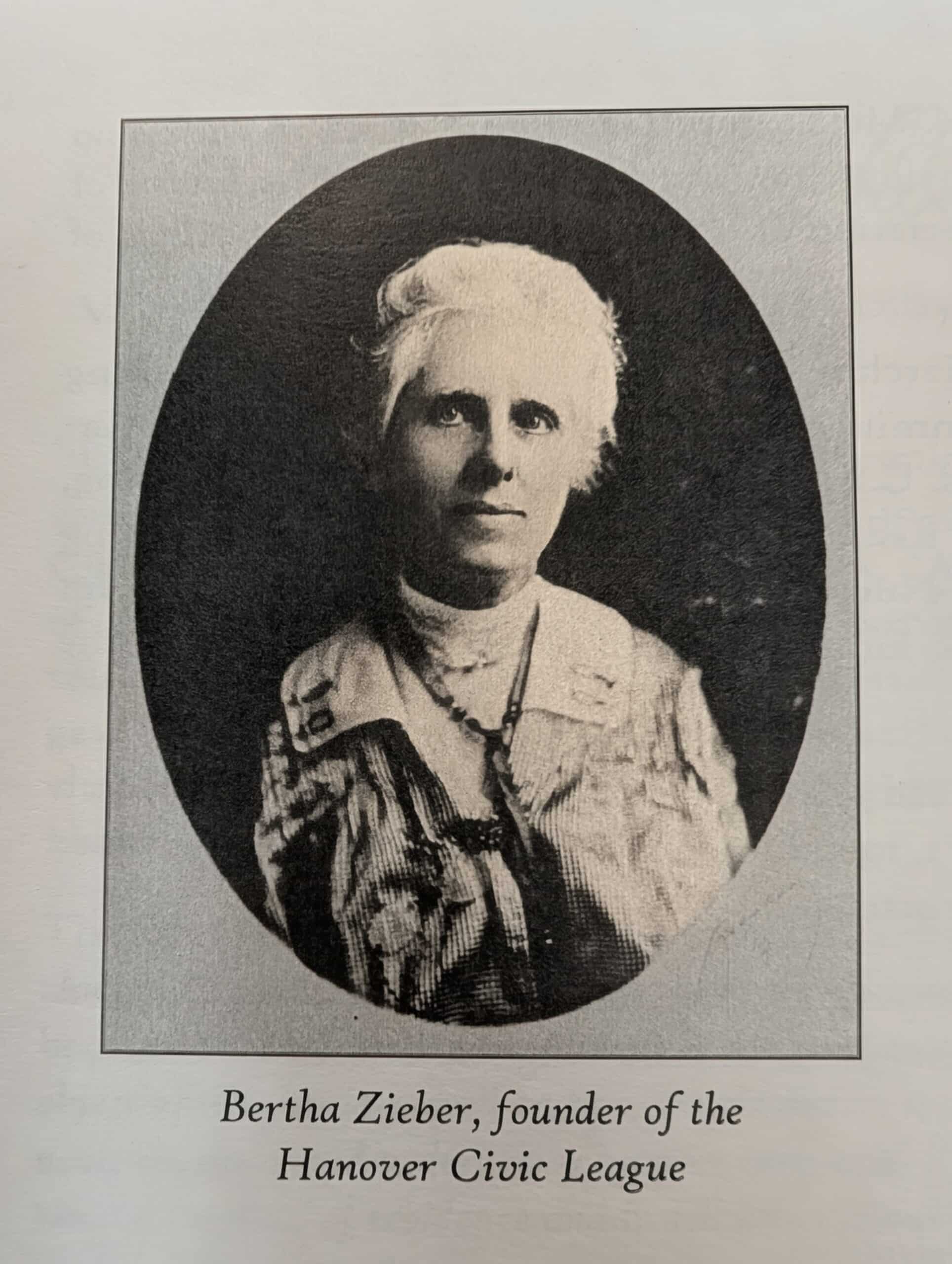
November 1, 1904 - Civic-minded residents meet at the Hotel O'Bold to form a Civic League; 54 women volunteer for membership
January 4, 1909 - The Hanover Civic League is officially chartered
A group of dedicated Hanover residents came together with a shared vision: to improve their community. The newly formed Civic League focused on public health, cleanliness, and civic responsibility, addressing everything from refuse disposal to drinking fountains in Wirt Park.
January 4, 1909 - The Hanover Civic League is officially chartered
A group of dedicated Hanover residents came together with a shared vision: to improve their community. The newly formed Civic League focused on public health, cleanliness, and civic responsibility, addressing everything from refuse disposal to drinking fountains in Wirt Park.
1913-1919 | The Birth of Visiting Nurse Services
1913 - First discussion of hiring a visiting nurse
February-March 1914 - Nursing leaders from Gettysburg and York present to the League; committee formed to launch visiting nurse program
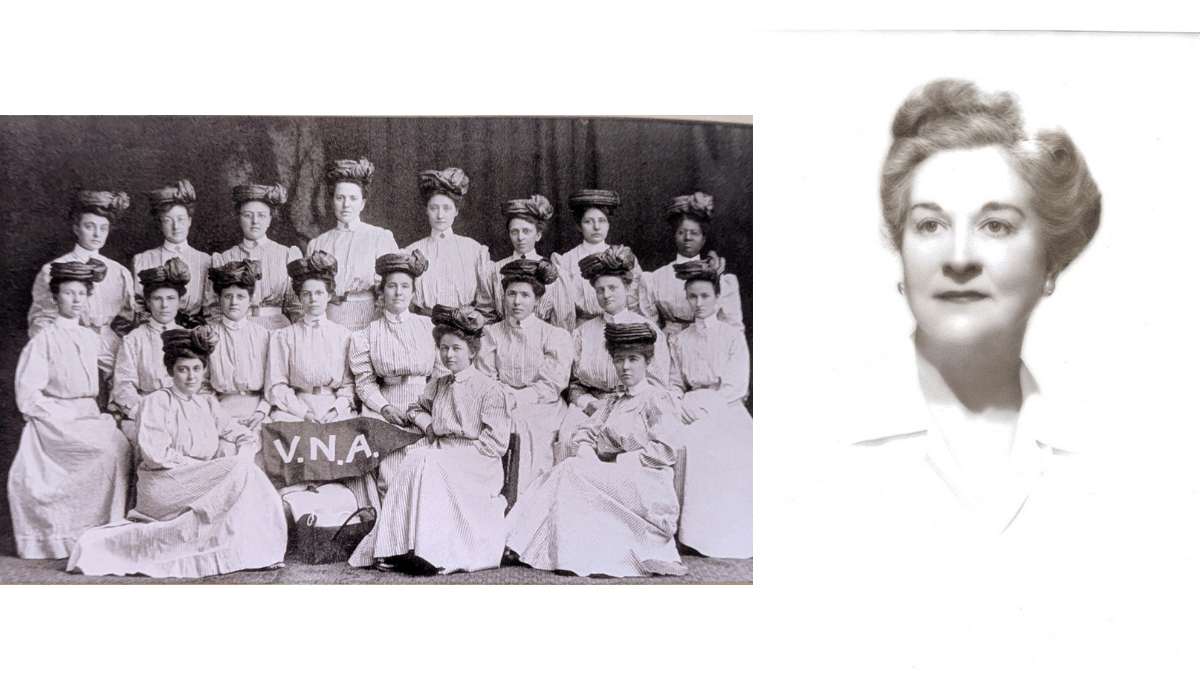
October 1, 1914 - Florence deHaven begins work as Hanover's first visiting nurse
1915 - First-year results: 189 patients, 1,962 visits, 13 operations assisted
1917 - Civic League purchases 217 Broadway as headquarters
January 1919 - Spring Grove establishes a branch of the York Visiting Nurse Association
The dream of community-based nursing care became reality when Florence deHaven began serving Hanover's residents. Her tireless dedication inspired the formation of support programs and set the standard for compassionate home care.
February-March 1914 - Nursing leaders from Gettysburg and York present to the League; committee formed to launch visiting nurse program
October 1, 1914 - Florence deHaven begins work as Hanover's first visiting nurse
1915 - First-year results: 189 patients, 1,962 visits, 13 operations assisted
1917 - Civic League purchases 217 Broadway as headquarters
January 1919 - Spring Grove establishes a branch of the York Visiting Nurse Association
The dream of community-based nursing care became reality when Florence deHaven began serving Hanover's residents. Her tireless dedication inspired the formation of support programs and set the standard for compassionate home care.
1920-1929 | Prevention, Education & Expansion
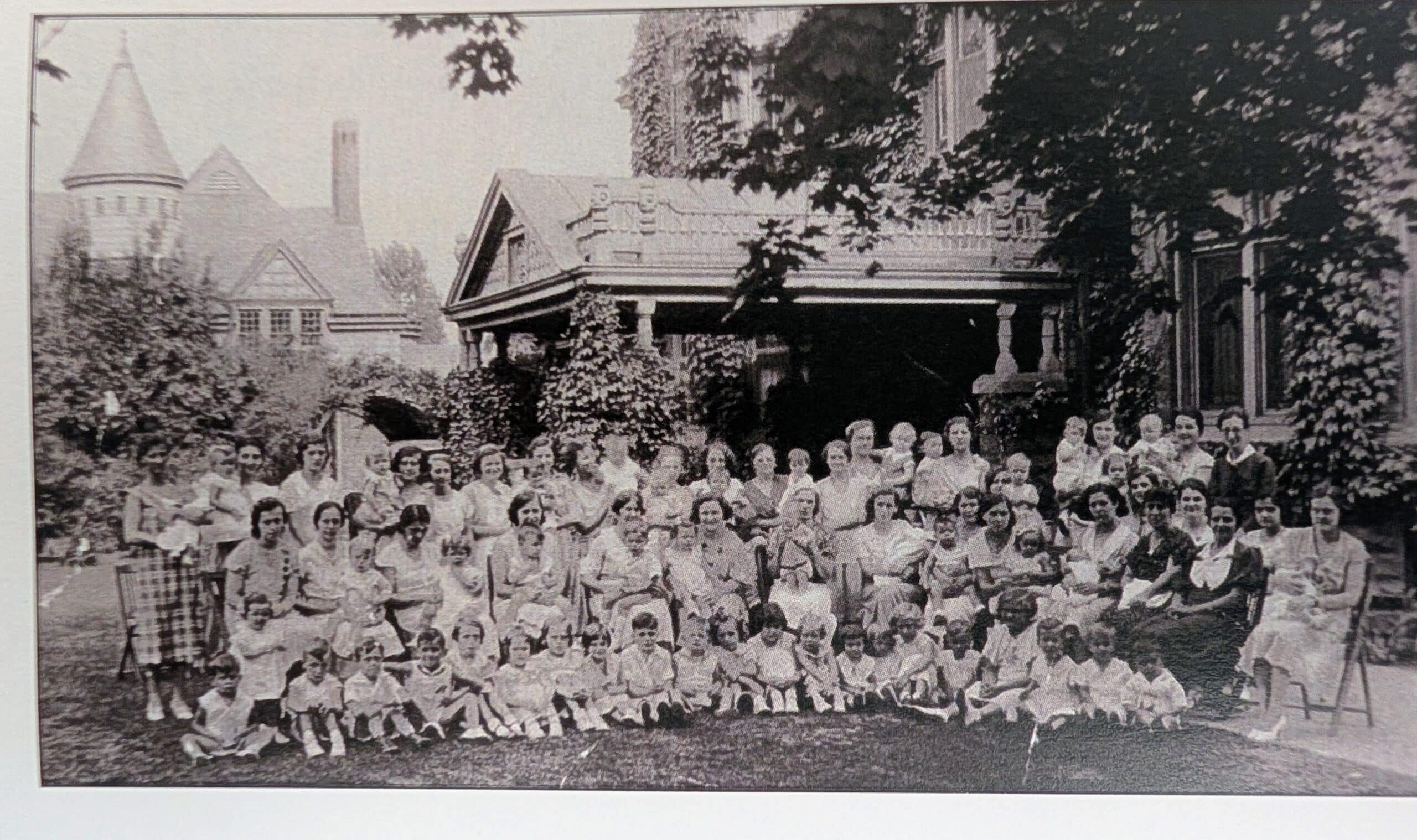
1920 - First well-baby clinic held; mothers educated on infant care and feeding
1923 - Purchase of a Dodge automobile for nurse transportation. Community-wide diphtheria immunization campaign vaccinates 619 children
The VNA expanded its focus to preventive care and education. Contracts with insurance companies brought nursing services to policyholders, while school health programs and vaccination campaigns protected the community's children.
1923 - Purchase of a Dodge automobile for nurse transportation. Community-wide diphtheria immunization campaign vaccinates 619 children
The VNA expanded its focus to preventive care and education. Contracts with insurance companies brought nursing services to policyholders, while school health programs and vaccination campaigns protected the community's children.
1930-1939 | Resilience During the Depression
1931 - Organization officially renamed the Visiting Nurse Association of Hanover
VNA supports Red Cross efforts to feed undernourished children
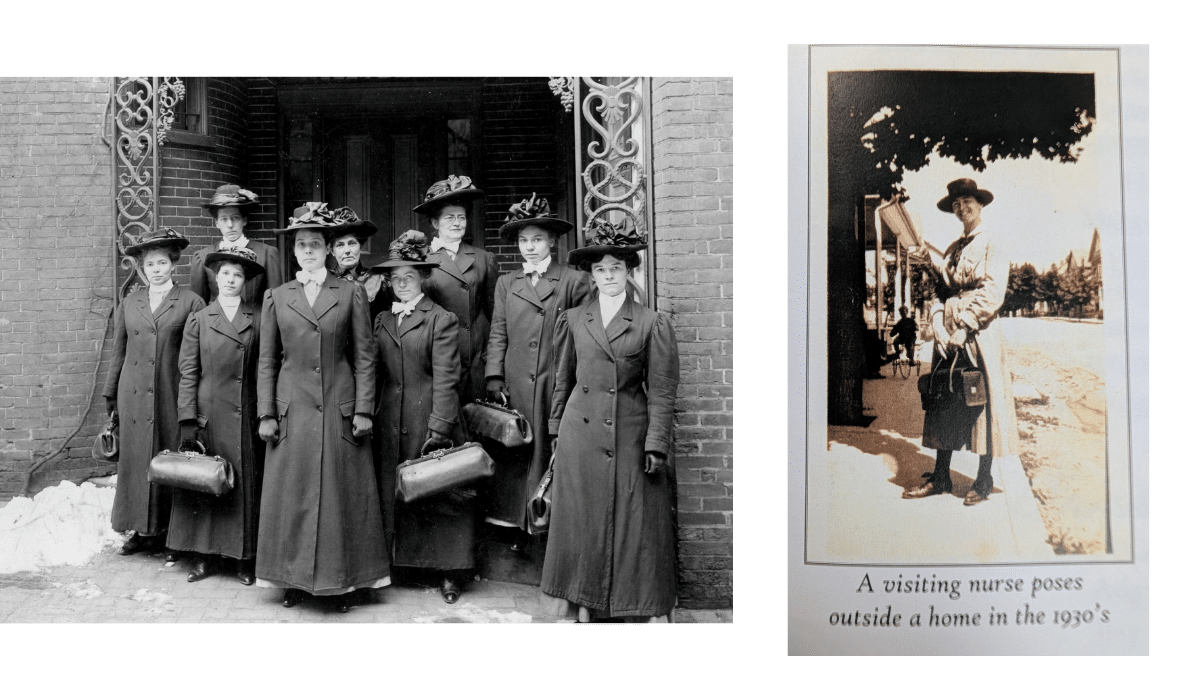
Despite economic hardship, the VNA persevered. Nurses averaged 130 to 180 visits per month, maternity care expanded, and creative fundraising kept services running. Board members even sewed layettes for newborns.
Despite economic hardship, the VNA persevered. Nurses averaged 130 to 180 visits per month, maternity care expanded, and creative fundraising kept services running. Board members even sewed layettes for newborns.
1940-1949 | Growing Demand & Stability
1947 - Second visiting nurse hired; combined visits exceed 500 per month
January 1949 - Mortgage on 217 Broadway paid in full and ceremoniously burned
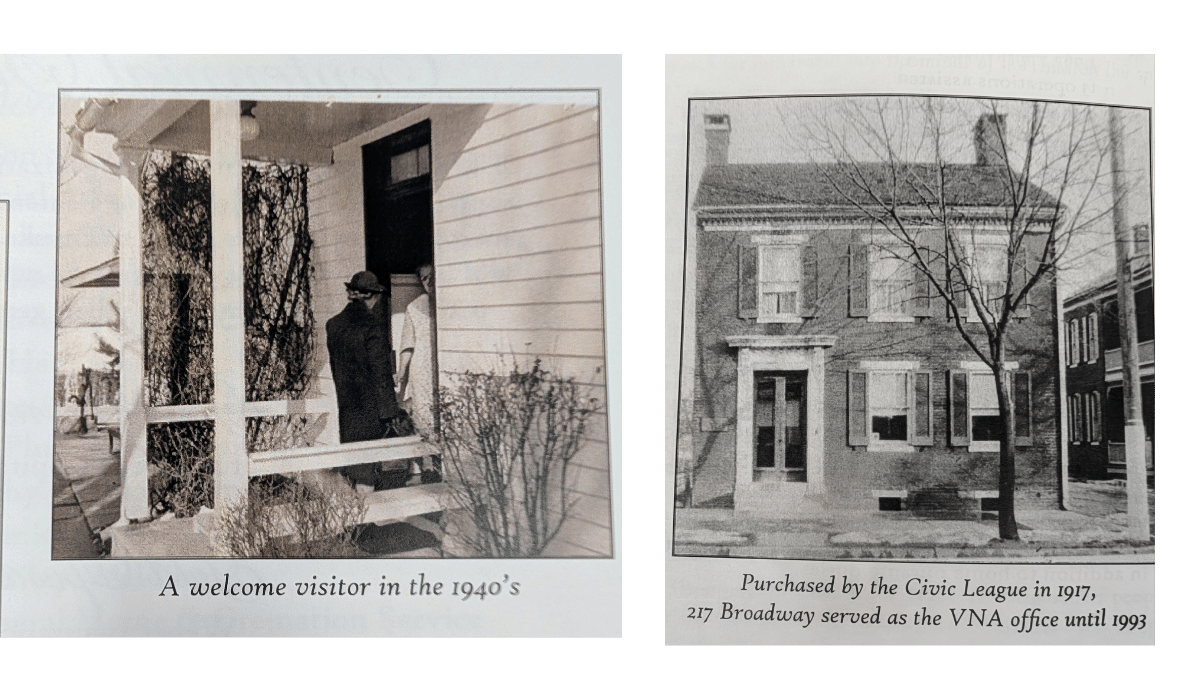
Post-war demand for services grew steadily. Monthly well-baby clinics served more than 50 infants, and the addition of a second nurse allowed the VNA to serve more families than ever before.
January 1949 - Mortgage on 217 Broadway paid in full and ceremoniously burned
Post-war demand for services grew steadily. Monthly well-baby clinics served more than 50 infants, and the addition of a second nurse allowed the VNA to serve more families than ever before.
1950-1959 | Modernization & Partnerships
1950 - First VNA brochures printed and widely distributed
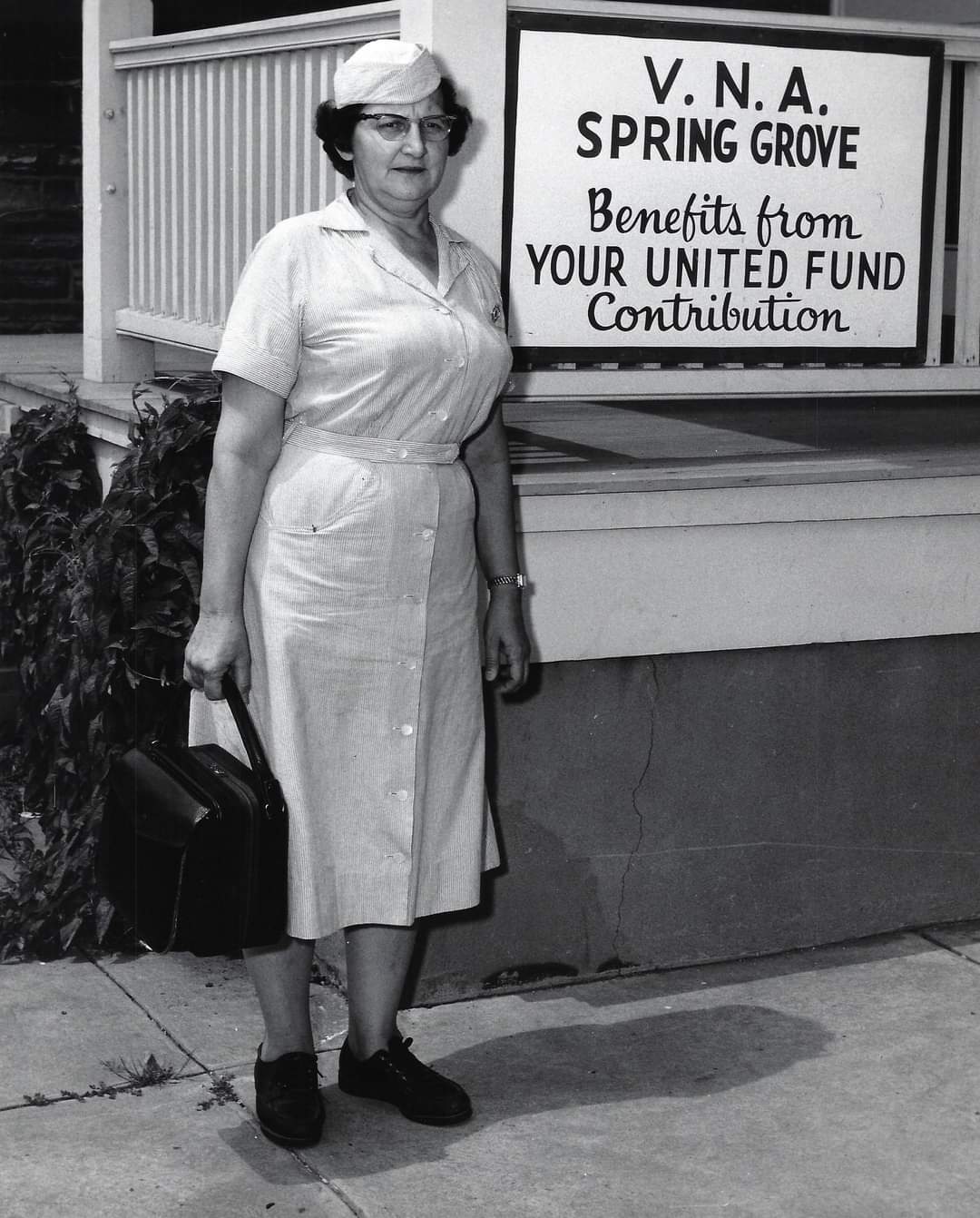
VNA joins the United Welfare Fund (now United Way)
Partnership with American Cancer Society for cancer patient care
1958 - Endowment fund created with an opening balance of $24.89
The VNA embraced new partnerships and began building financial stability for the future. The Friendly Club was established to provide socialization for seniors, and a Medical Advisory Board brought local physicians into the organization's leadership.
VNA joins the United Welfare Fund (now United Way)
Partnership with American Cancer Society for cancer patient care
1958 - Endowment fund created with an opening balance of $24.89
The VNA embraced new partnerships and began building financial stability for the future. The Friendly Club was established to provide socialization for seniors, and a Medical Advisory Board brought local physicians into the organization's leadership.
1960-1969 | The Medicare Era
Introduction of Medicare fuels agency growth
Cooperative agreement established with Hanover General Hospital
Classes launched for expectant parents
Clinics offered for diabetes, glaucoma, and smoking cessation
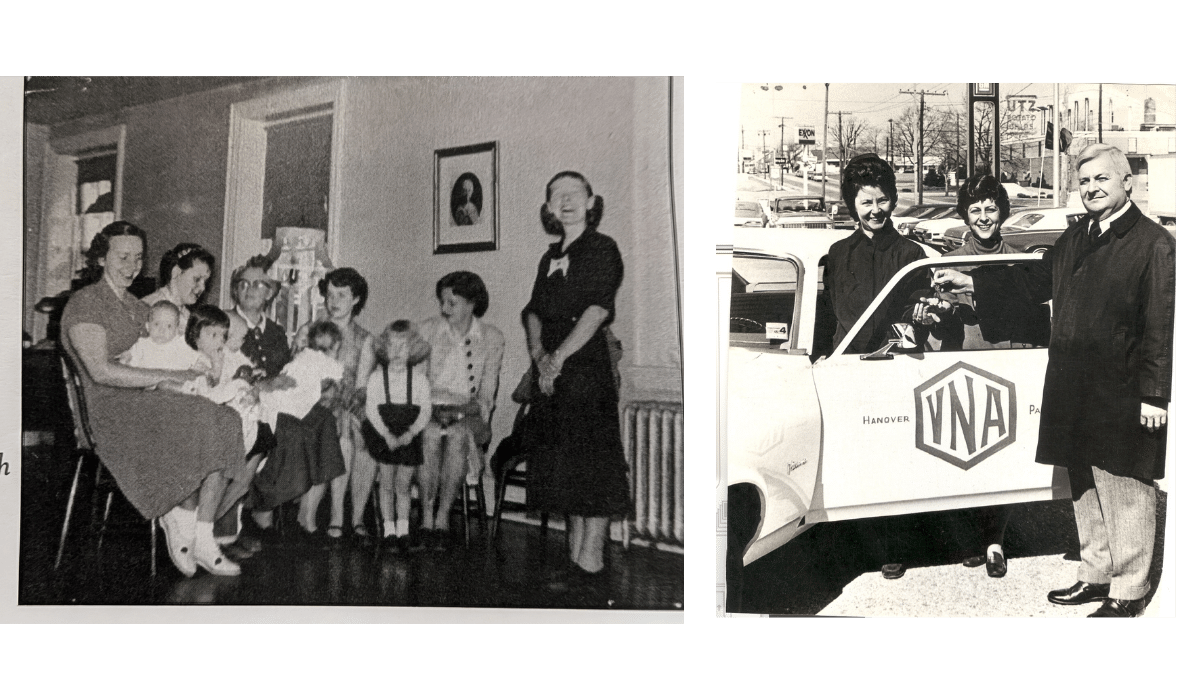
Medicare transformed healthcare delivery nationwide, and the VNA adapted quickly. Staff expanded, services diversified, and a Public Health Coordinator was added to guide patients transitioning from hospital to home.
Cooperative agreement established with Hanover General Hospital
Classes launched for expectant parents
Clinics offered for diabetes, glaucoma, and smoking cessation
Medicare transformed healthcare delivery nationwide, and the VNA adapted quickly. Staff expanded, services diversified, and a Public Health Coordinator was added to guide patients transitioning from hospital to home.
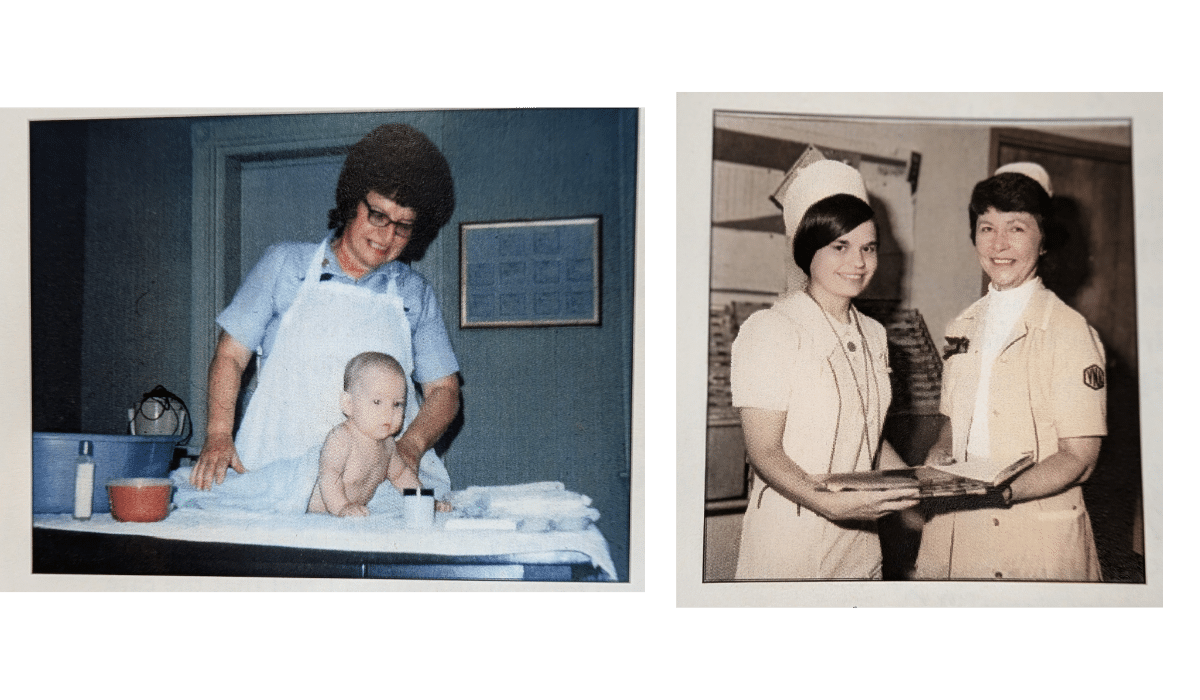
1970-1979 | Leadership & Innovation
1975 - Bobby L. Malkus, RN becomes the VNA's first President & CEO
Expansion campaign raises over $200,000 for a 6,100 sq. ft. annex at 217 Broadway
Development of one of the nation's first respiratory home care programs (featured in American Journal of Nursing)
The VNA gained national recognition for innovative care. Memorial funds supported professional education and equipment, while specialized programs in oncology and ostomy care expanded the scope of services.
Expansion campaign raises over $200,000 for a 6,100 sq. ft. annex at 217 Broadway
Development of one of the nation's first respiratory home care programs (featured in American Journal of Nursing)
The VNA gained national recognition for innovative care. Memorial funds supported professional education and equipment, while specialized programs in oncology and ostomy care expanded the scope of services.
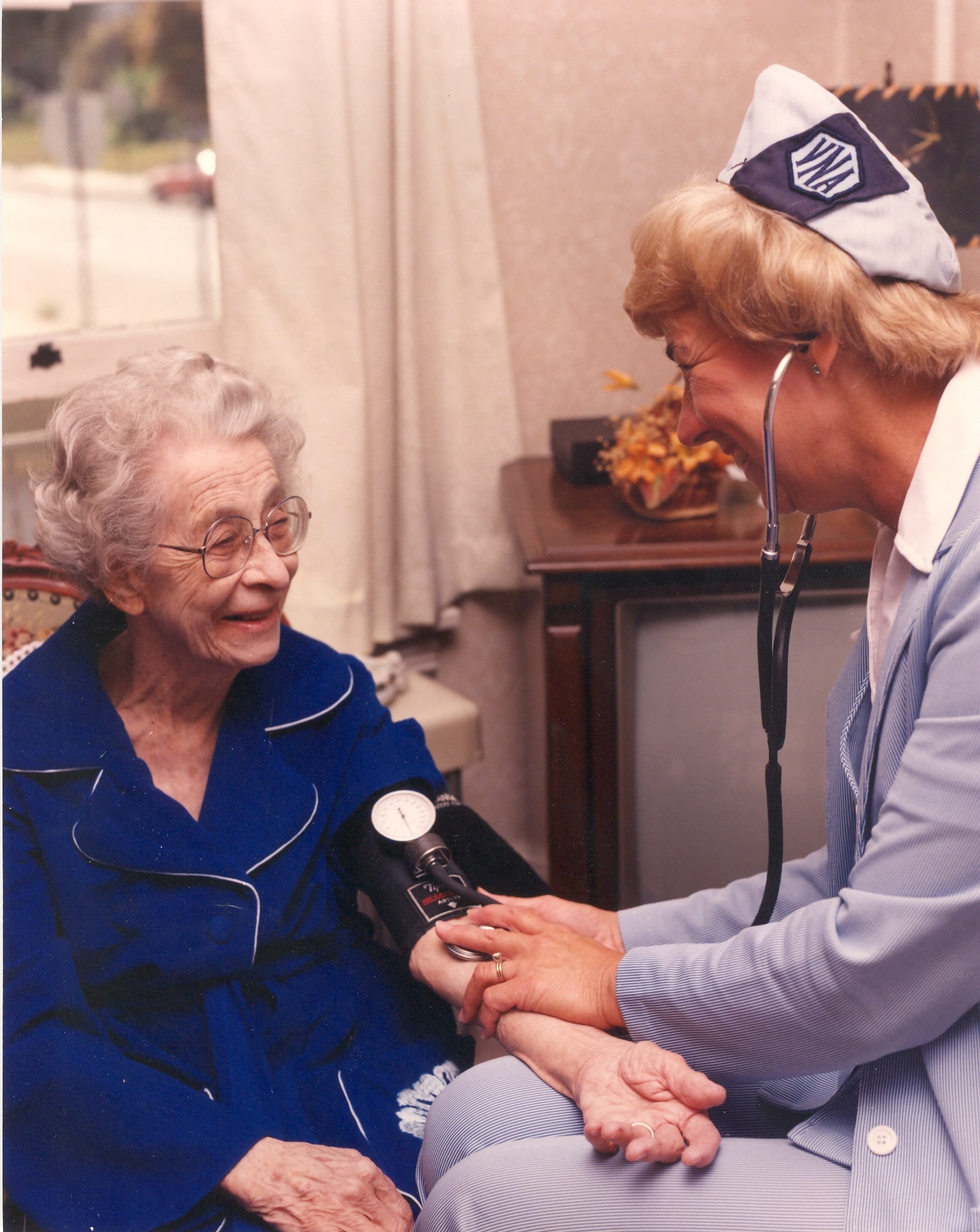
1980-1989 | Hospice & Integration
1980 - VNA Hospice program officially begins
1982 - Florence DeHaven Stick Memorial Scholarship established to honor the VNA's first nurse
1985 - Hanover and Spring Grove VNAs merge into one agency
Community Health Services (CHS) formed to oversee non-medical services
The launch of hospice care marked a significant expansion of the VNA's mission. The merger of Hanover and Spring Grove operations created a stronger, unified organization, while the establishment of the Florence DeHaven Stick Memorial Scholarship honored the legacy of the VNA's founding nurse.
1982 - Florence DeHaven Stick Memorial Scholarship established to honor the VNA's first nurse
1985 - Hanover and Spring Grove VNAs merge into one agency
Community Health Services (CHS) formed to oversee non-medical services
The launch of hospice care marked a significant expansion of the VNA's mission. The merger of Hanover and Spring Grove operations created a stronger, unified organization, while the establishment of the Florence DeHaven Stick Memorial Scholarship honored the legacy of the VNA's founding nurse.
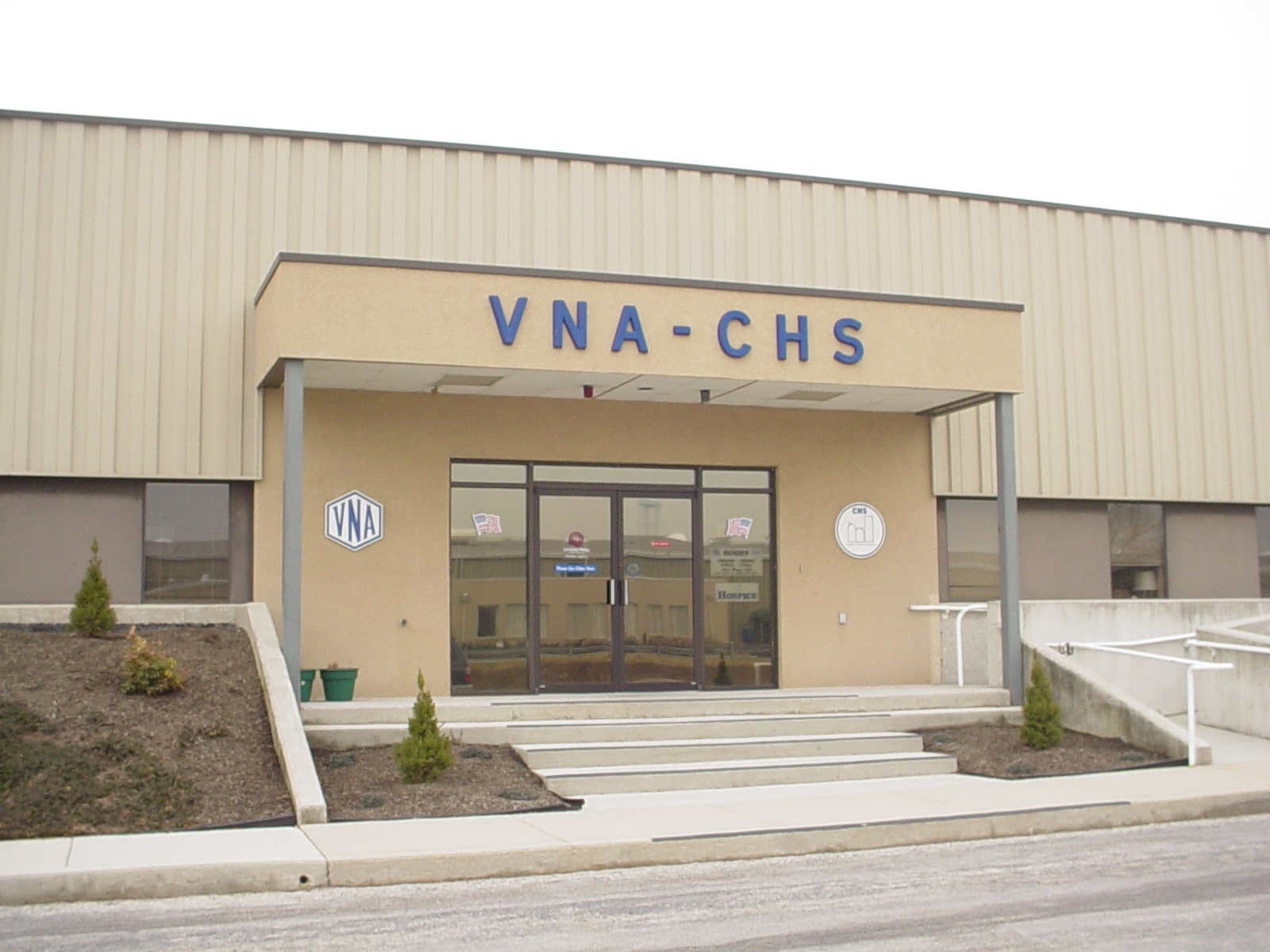
1990-1999 | Professionalization & Access
1993 - VNA relocates to its current home at 440 North Madison Street, Hanover
Workforce grows to 65 VNA employees and 55 CHS employees
Free mammogram program launched for uninsured and underinsured women
Portable dental equipment purchased to expand homebound dental care
The VNA continued to grow and professionalize. Home Health Aides completed formal certification programs, nurses gained IV therapy certification, and new programs expanded access to care for underserved populations.
Workforce grows to 65 VNA employees and 55 CHS employees
Free mammogram program launched for uninsured and underinsured women
Portable dental equipment purchased to expand homebound dental care
The VNA continued to grow and professionalize. Home Health Aides completed formal certification programs, nurses gained IV therapy certification, and new programs expanded access to care for underserved populations.
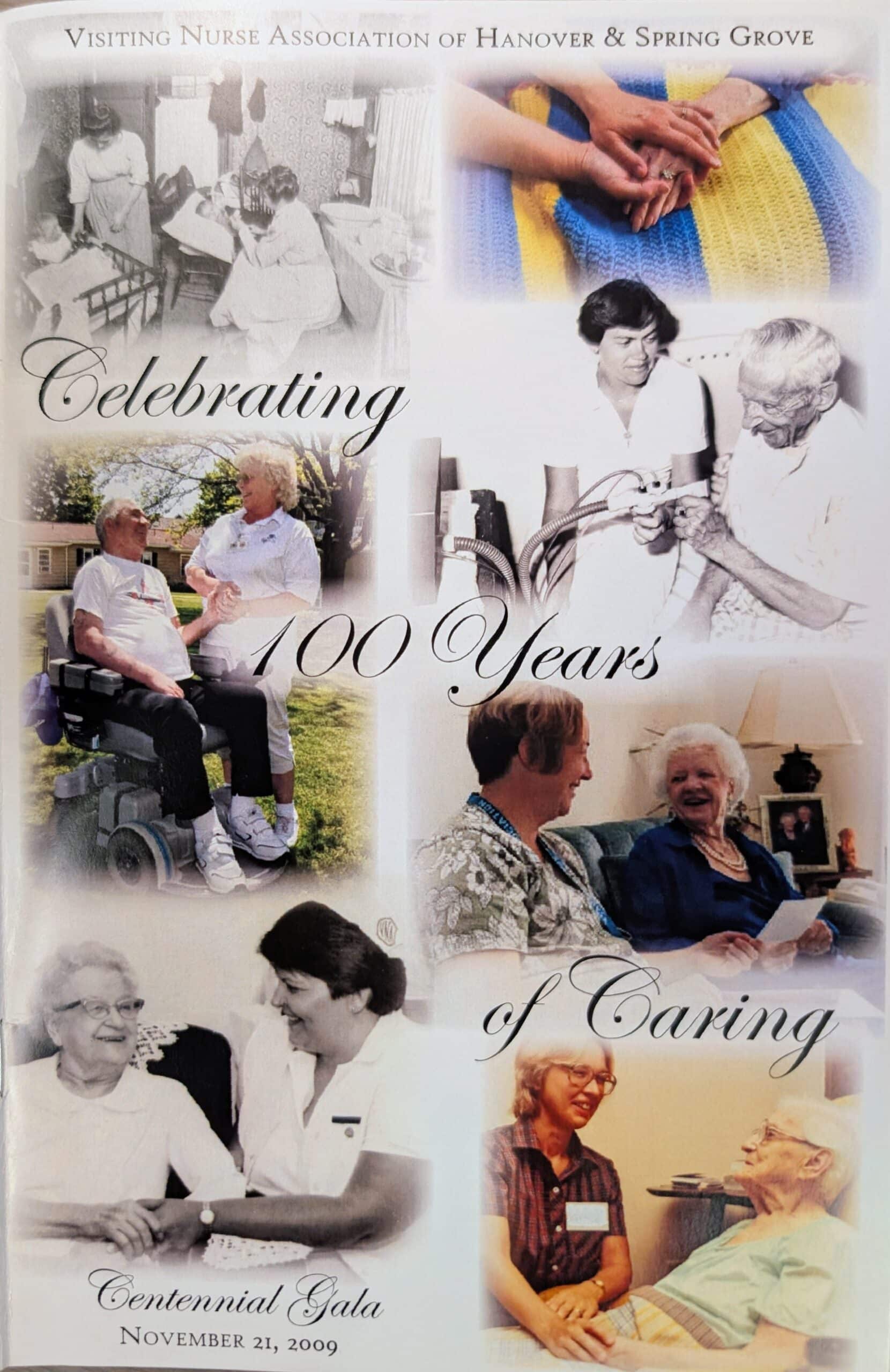
2000-2009 | Technology & Milestones
2001 - Point-of-care computerized documentation implemented
Telehealth services introduced for remote patient monitoring
2008 - CHS merges with VNA to form Home Care Plus
January 2009 - VNA celebrates its 100th Anniversary
June 2009 - First VNA Hospice Butterfly Release held; raises over $10,000
The new millennium brought technological advances and a historic milestone. The VNA celebrated 100 years of service while continuing to innovate with telehealth and computerized care documentation.
Telehealth services introduced for remote patient monitoring
2008 - CHS merges with VNA to form Home Care Plus
January 2009 - VNA celebrates its 100th Anniversary
June 2009 - First VNA Hospice Butterfly Release held; raises over $10,000
The new millennium brought technological advances and a historic milestone. The VNA celebrated 100 years of service while continuing to innovate with telehealth and computerized care documentation.
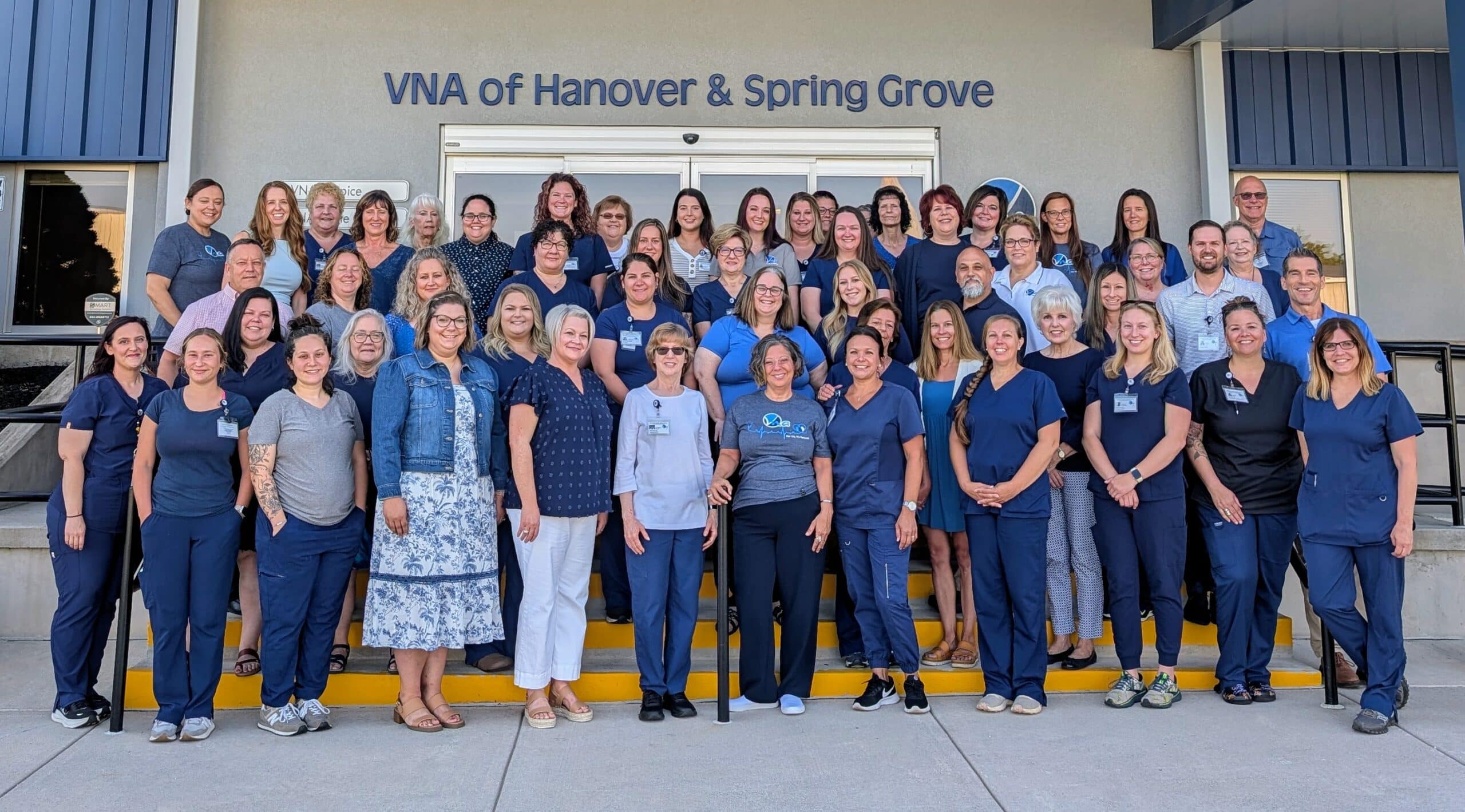
2010-Present | Resilience & the Future
Capital campaign launched to renovate 440 N. Madison Street
2020 - COVID-19 pandemic challenges operations; VNA remains steadfast
2022-Present - Strategic rebuilding with renewed focus on Home Health and Hospice
Through challenges including the COVID-19 pandemic, the VNA has remained committed to its mission. Today, as an independent, not-for-profit organization with a 5-Star CMS Hospice rating, the VNA of Hanover & Spring Grove continues to deliver exceptional healthcare in the home, with a vision to be the regional home health and hospice agency of choice.
2020 - COVID-19 pandemic challenges operations; VNA remains steadfast
2022-Present - Strategic rebuilding with renewed focus on Home Health and Hospice
Through challenges including the COVID-19 pandemic, the VNA has remained committed to its mission. Today, as an independent, not-for-profit organization with a 5-Star CMS Hospice rating, the VNA of Hanover & Spring Grove continues to deliver exceptional healthcare in the home, with a vision to be the regional home health and hospice agency of choice.
